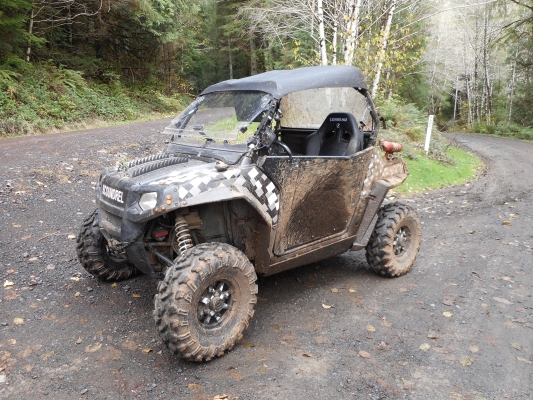
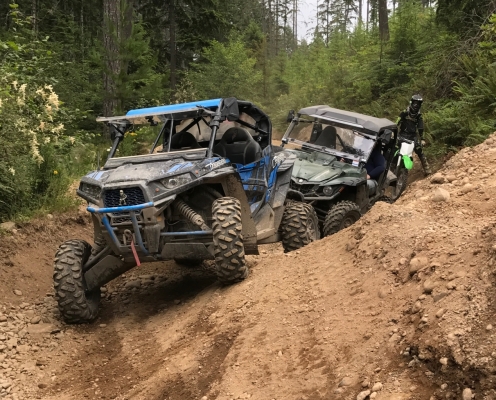
Tahuya State Forest is a 23,000-acre “working forest” (logging) that is used for ORV riding, horseback riding, mountain biking, fishing, hunting, camping, etc. But it is mostly an ORV destination. The vast majority of the trails are ATV trails, with very narrow bridges with high steel sides that are 48” wide. Only about 15 miles of Tahuya’s trails are passable by vehicles wider than 48”. But those 15 miles include some pretty fun stuff, so it can still be worth the trip.

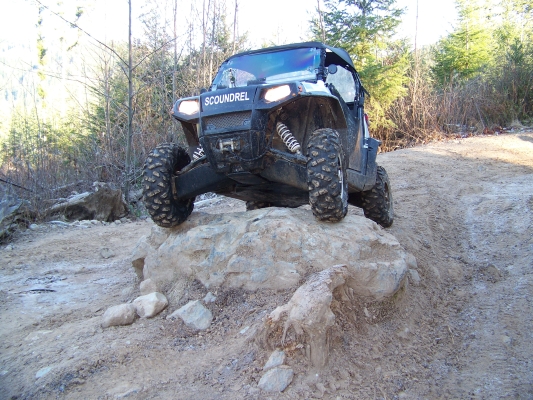
There is a new 4×4 loop with difficult rock challenges. Tahuya is a place to experience some slow, relaxing recreation, with a few areas to stop and play around with optional challenges. If you seek wide open spaces, high speed trails, and large areas to explore, this is not the best place for that.


Get details including directions, staging areas, maps, and difficulty levels in the UTV Guide to WA State.
Similar Posts

  • Saddle Mountains

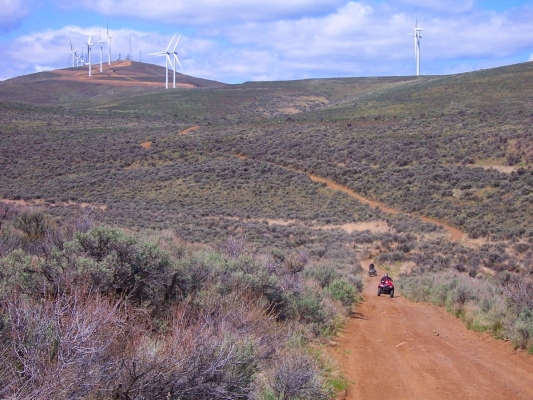
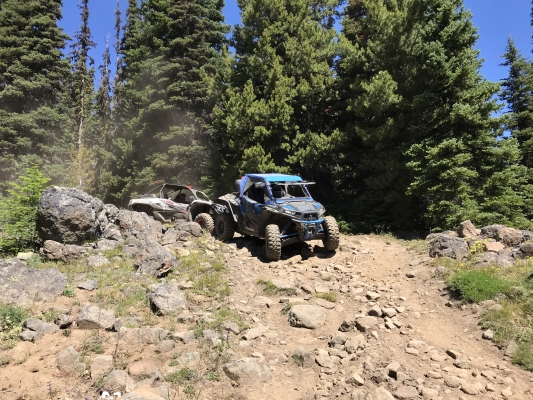
    The Saddle Mountains area is just North of Mattawa, WA. It is about 5700 acres of public lands, consisting of mountains covered with small amounts of underbrush and criss-crossed with service roads, mainly along the power lines and leading to communication stations. This is a good area for a relaxing ride in wide open country….

  • Clover Springs

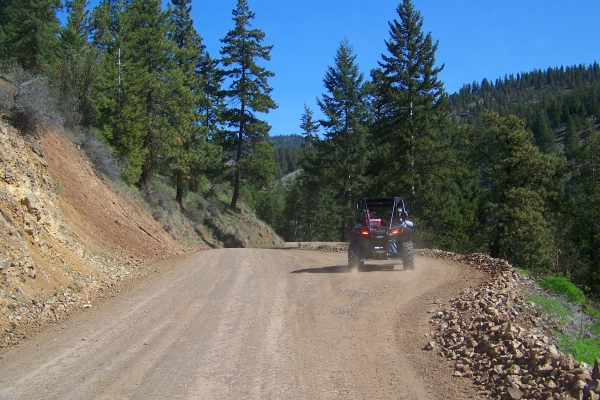
    This area provides a mixture of easy and technical trails through lush evergreen forest. There are three official 4WD trails. There is not much parking at the trailheads, certainly not enough for a toy hauler or large trailer. However, there is a large area with a lot of primitive camping available. You can bring a…

  • Manastash Ridge

    Manastash Ridge is a great place to spend several days camping and riding. There are two campgrounds within a mile of each other, with many spots large enough for groups with multiple trailers. No reservations, arrive early to make sure you get the spot you want. Both campgrounds offer direct trail access. There is a…

  • Naches Pass Trail

    In the mid-1800s, a road was made from Walla Walla to Fort Steilacoom through Naches Pass. But it was too difficult for early settlers. It has stayed available for motorized recreation, but has fairly restrictive seasons due to the elevation, and the effects of motorized vehicles on trails (especially when the snow melts). Lower Naches…

Leave a Reply